

 SetPaying for Seoul transport
 Hi, I’m SeoulAslan
Seoul Transport Cost for 3, 5 or 7 Days (2026)
Checked Sept 30, 2026
For an adult riding mostly inside Seoul, getting around costs about 13,000 won for 3 days, 18,000 won for 5 days and 23,000 won for 7 days on the Climate Card tourist pass, card included. Paying per ride on T-money, the same stays cost 17,950, 27,250 and 36,550 won at 3 rides a day, with a 4,000 won card.
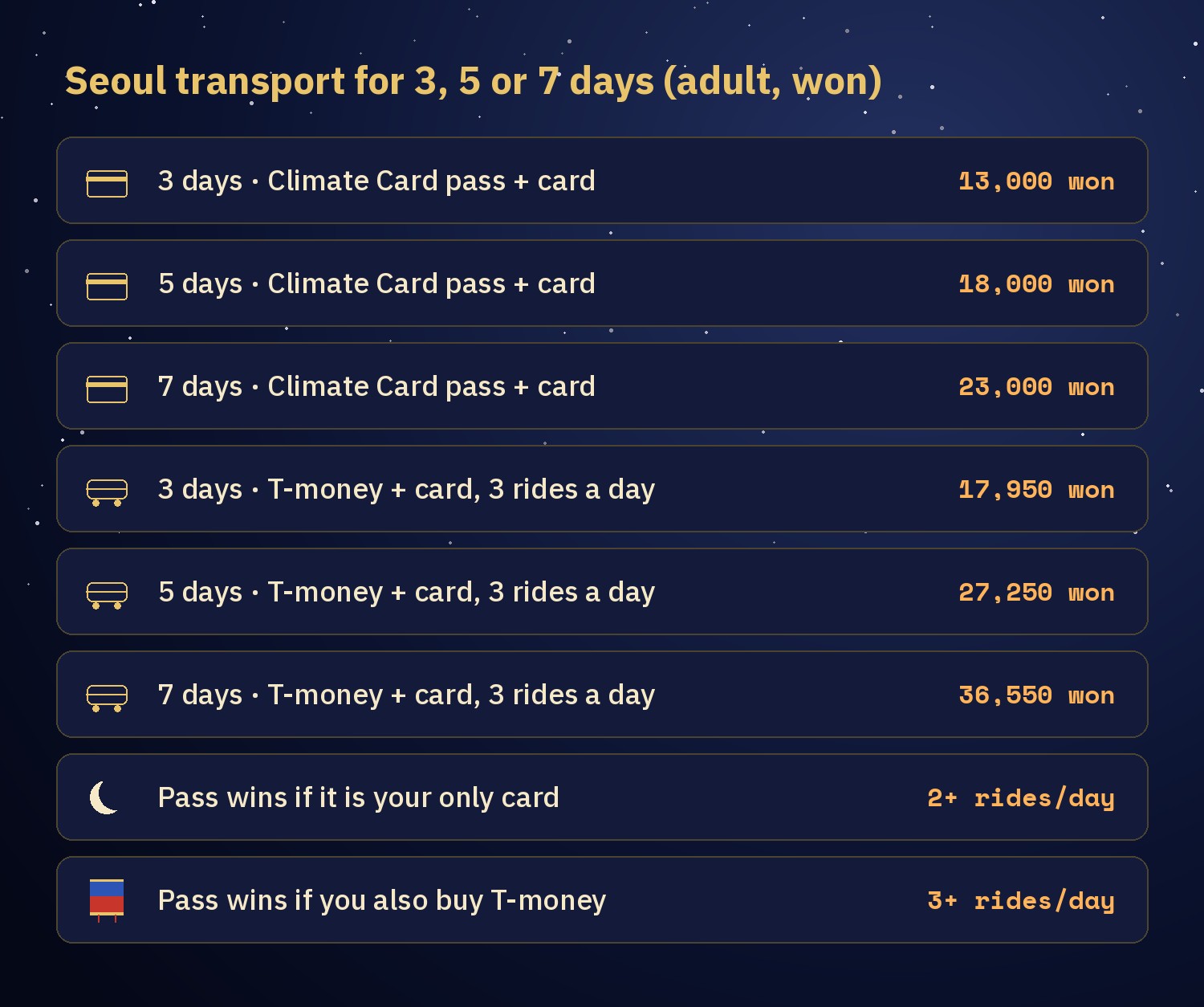
Which one is cheaper comes down to rides a day. At 3 or more, the pass wins at every length of stay. At 2, it depends on whether you also buy a T-money card for the airport.
Before any trip abroad I check the same five things: will cash work, how do the ticket machines work, will my card work, can I just tap, and where do I buy a pass. It's a habit from living abroad, about six years of it in Vietnam and a year in Thailand. The pass question is easier once you know what the rides add up to, so this post is the numbers.
Jump to: Cost for 3, 5 or 7 days · When the pass pays off · What one ride costs · What costs extra · WOWPASS · Paying for it · FAQ
How much does Seoul transport cost for 3, 5 or 7 days?
This table is my own calculation, not a price list. It uses Seoul's published fares and pass prices, checked on Sept 30, 2026. A "ride" is one journey at the basic fare. If you change from subway to bus within the transfer window, that still counts as one ride.
| Stay | Rides a day | Total rides | T-money only | WOWPASS only | Climate Card pass only | Pass + T-money card |
|---|---|---|---|---|---|---|
| 3 days | 2 | 6 | 13,300 | 15,300 | 13,000 | 17,000 |
| 3 days | 3 | 9 | 17,950 | 19,950 | 13,000 | 17,000 |
| 3 days | 4 | 12 | 22,600 | 24,600 | 13,000 | 17,000 |
| 5 days | 2 | 10 | 19,500 | 21,500 | 18,000 | 22,000 |
| 5 days | 3 | 15 | 27,250 | 29,250 | 18,000 | 22,000 |
| 5 days | 4 | 20 | 35,000 | 37,000 | 18,000 | 22,000 |
| 7 days | 2 | 14 | 25,700 | 27,700 | 23,000 | 27,000 |
| 7 days | 3 | 21 | 36,550 | 38,550 | 23,000 | 27,000 |
| 7 days | 4 | 28 | 47,400 | 49,400 | 23,000 | 27,000 |
All amounts in won, adult fares. How each column is worked out:
- T-money only: total rides × 1,550 won, plus 4,000 won for a TMONEY TRAVEL CARD, T-money's card for visitors.
- WOWPASS only: total rides × 1,550 won, plus 6,000 won for the card (WOWPASS's machine price since March 2026). Its transit side is a T-money card, so I counted rides at the T-money fare.
- Climate Card pass only: the pass price plus 3,000 won for the card. The 3-day pass is 10,000 won, the 5-day 15,000 and the 7-day 20,000.
- Pass + T-money card: the pass and its card, plus a 4,000 won TMONEY TRAVEL CARD for rides the pass doesn't cover.
What I assumed:
- Every ride stays within the basic 10 km. Longer trips add 100 won steps on T-money, not on the pass, so the pass does a little better than the table shows.
- Rides are priced at the subway fare. A blue or green bus is 1,500 won on a card, so a bus-heavy trip is 50 won a ride cheaper on T-money.
- No early-morning discount.
- No airport trips. You can't board at Incheon Airport with the pass, so everyone pays for the arrival ride separately.
- The pass covers every day of your stay: a 3-day pass for a 3-day trip.
- Card prices count as money spent.
How many rides a day before the Climate Card pays off?
Look at the last two columns of the table. "Pass only" is the lowest number in every row. But the pass can't be used to board at Incheon Airport, so the ride in needs T-money or a single-journey ticket anyway. Once you add that card, 2 rides a day flips back to T-money.
| Pass | Pass + card | Pays off if it's your only card | Pays off if you also buy T-money |
|---|---|---|---|
| 3 days | 13,000 won | 6 rides (2 a day) | 9 rides (3 a day) |
| 5 days | 18,000 won | 10 rides (2 a day) | 12 rides (3 a day) |
| 7 days | 23,000 won | 13 rides (2 a day) | 15 rides (3 a day) |
How I got there. "Only card" compares the pass and its card against T-money rides plus a 4,000 won card: (pass + 3,000 − 4,000) ÷ 1,550. "Also buy T-money" means you pay for the T-money card either way, so it drops out: (pass + 3,000) ÷ 1,550. Round up to the next whole ride.
A real day decides it. Hotel to a palace, palace to a market, market back to the hotel is 3 rides. If you walk a neighbourhood all afternoon, it might be 2.
What does one subway or bus ride cost in Seoul?
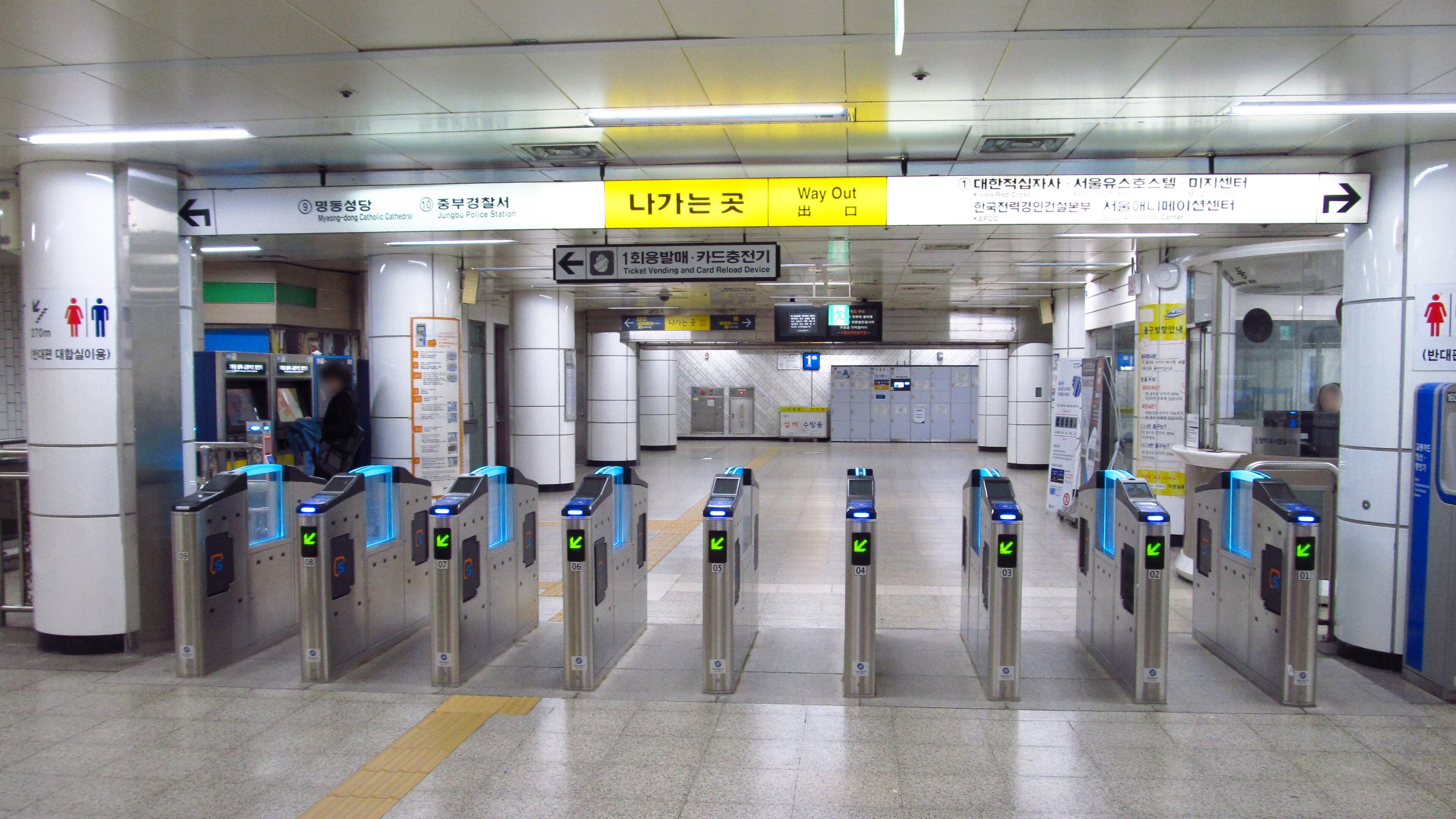
These are Seoul's adult fares as of Sept 30, 2026. The subway fare went up on June 28, 2025. Bus fares date from Aug 12, 2023.
| Ride | On a transit card | Notes |
|---|---|---|
| Subway (지하철), first 10 km | 1,550 | 1,650 on a single-journey ticket |
| Blue trunk bus (간선) · green branch bus (지선) | 1,500 | Same in cash |
| Yellow circular bus (순환) | 1,400 | Same in cash |
| Village bus (마을버스) | 1,200 | Seoul village buses are on the pass |
| Red express bus (광역) | 3,000 | Same in cash · not on the pass |
| Night bus (심야버스, N routes) | 2,500 | 23:00 to 06:00 · on the pass |
A few rules change the math:
- Distance: after 10 km, the subway adds 100 won every 5 km, up to 50 km. Beyond that, 100 won every 8 km.
- Transfers: board the next bus or train within 30 minutes of getting off (60 minutes from 21:00 to 07:00) and you don't pay a new base fare. Up to 4 transfers. The distance still adds up across the whole trip.
- Tap off on buses. Seoul says tapping your card when you get off is required for the transfer.
- Early birds: board before 06:30 on a card and you get 20% off. On the subway that's 1,240 won.
- Night buses run from 23:00 to 06:00, on 14 routes.
The single-journey ticket (1회용 교통카드) costs 100 won more per ride than a card, which is why none of the totals above use it. It also takes a 500 won deposit, which you get back from the deposit refund machine in the station.
What costs extra on top of the pass?
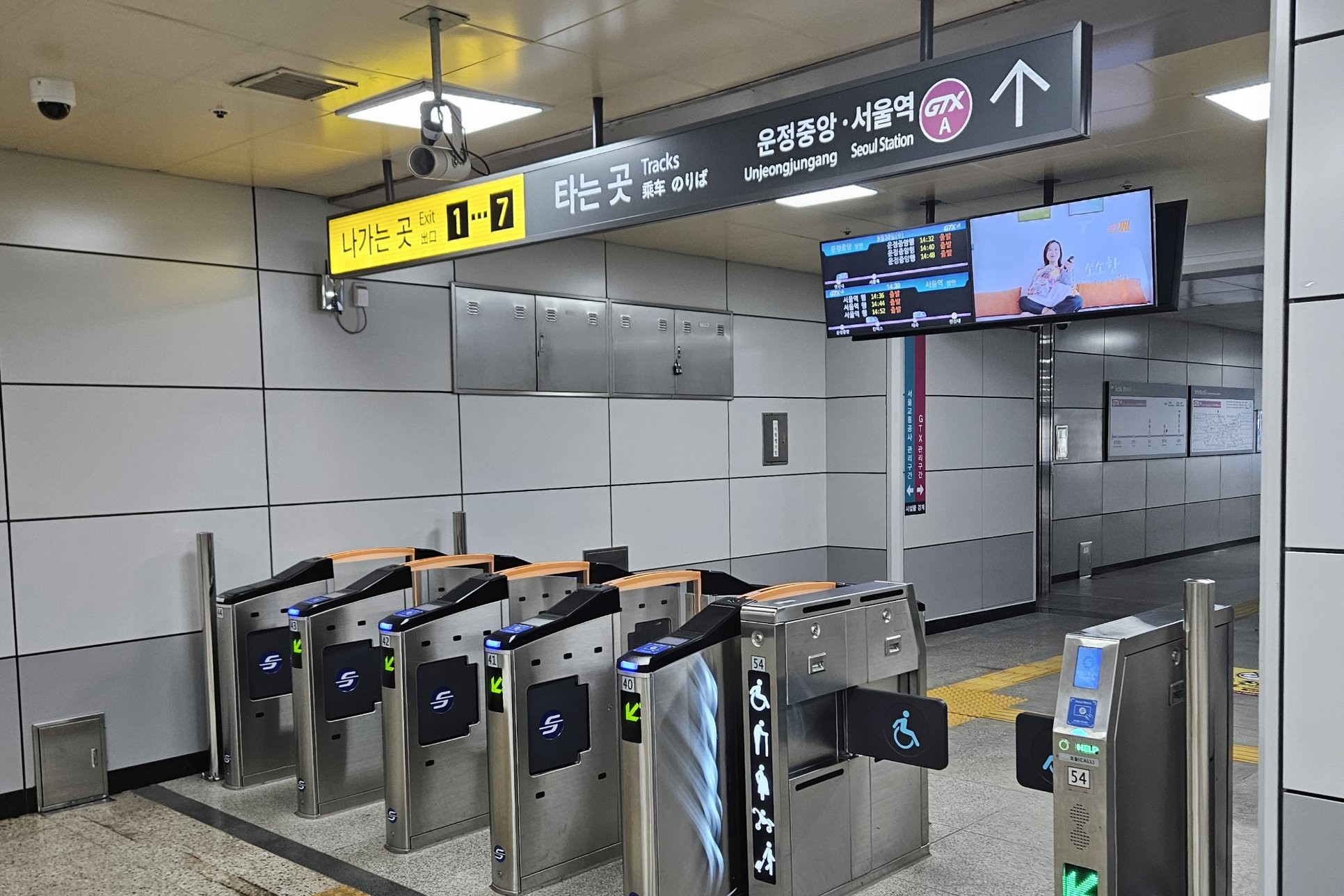
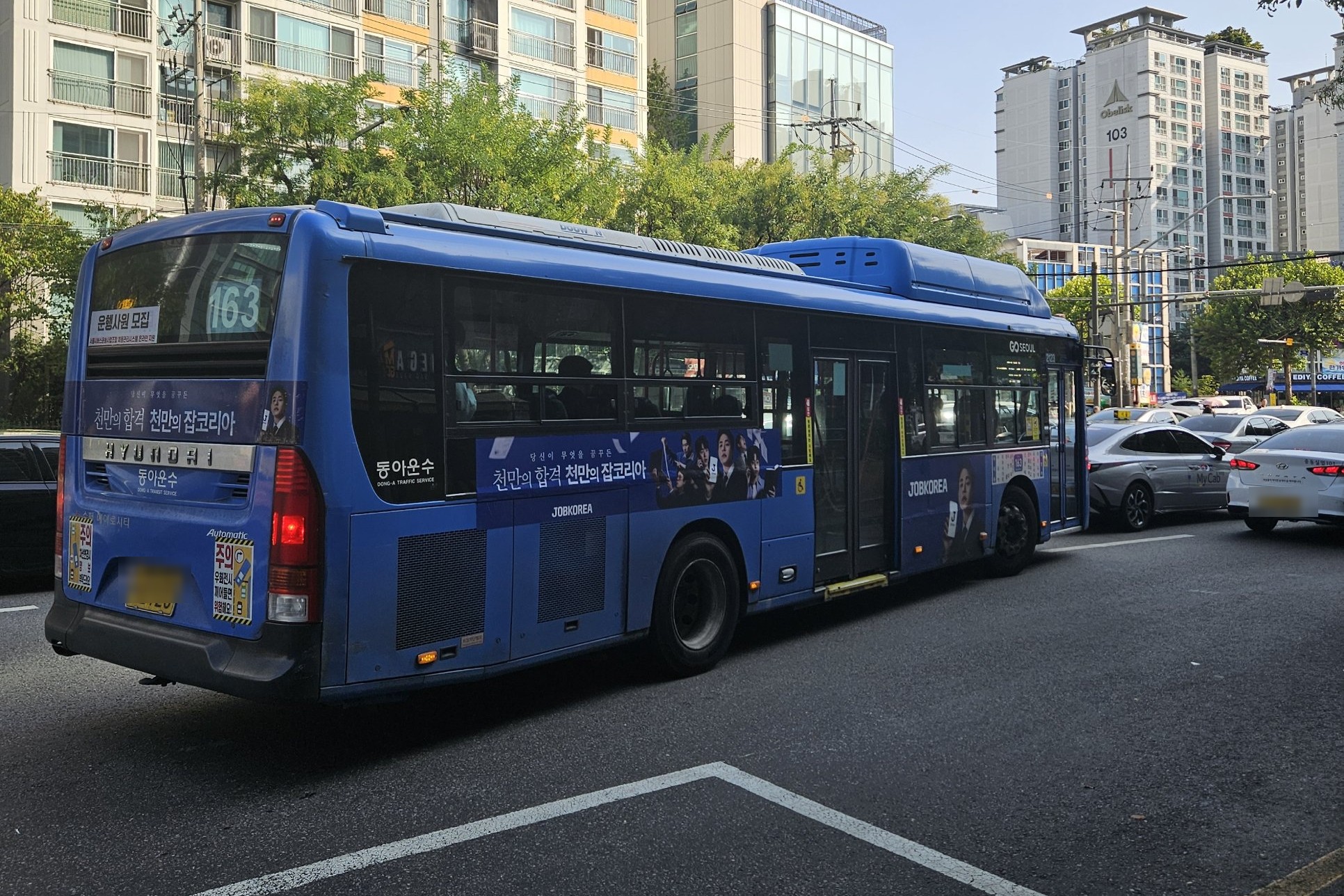
The Climate Card tourist pass (기후동행카드 단기권) covers the Seoul subway and Seoul-licensed city and village buses. Seoul's own list of what it doesn't cover:
- The Shinbundang Line (신분당선) and GTX
- Subways outside Seoul
- Red express buses and airport buses
- Buses licensed outside Seoul
- Ttareungyi bikes (따릉이) and the Han River Bus (한강버스)
And the airport. You can ride the pass on the Airport Railroad (공항철도) to Incheon Airport Terminals 1 and 2 and get off there. You can't board there with it. On arrival day, your first ride is on T-money or a single-journey ticket, and that fare is on top of every total in this post.
If you plan a day out of Seoul, those rides go on T-money. That's another reason you may end up with both cards, and why the "Pass + T-money card" column is the one to compare. My Incheon Airport to Seoul guide covers the arrival ride.
Is WOWPASS cheaper for getting around Seoul?
Not for rides. WOWPASS has T-money built in, with its own transit balance separate from the shopping balance. In my table it comes out 2,000 won above T-money every time, because the card costs 6,000 won against 4,000 for a TMONEY TRAVEL CARD.
WOWPASS's FAQ says you top up its T-money side with won cash, at convenience stores or station machines. Its value is the exchange and payment side, which my T-money vs Climate Card vs WOWPASS guide goes into.
Can I pay for the pass with a foreign card?
Yes, at the new ticket machines, according to Seoul. Since March 17, 2026, the new machines at 273 stations on Lines 1 to 8 take foreign cards for the pass and for single-journey tickets. Seoul puts the fee at about 3.7% on average. On a 7-day pass and its card (23,000 won), that comes to about 850 won, by my math.
For T-money, plan on cash. Seoul lists what station machines take cards for: single tickets, commuter passes and the Climate Card tourist pass. T-money top-ups aren't on that list. The fares and transfers guide has more on how the transfer discount works.
FAQ
What per-ride fare should I use for my budget?
1,550 won on a transit card for the first 10 km, and 1,650 won on a single-journey ticket. That's the fare since June 28, 2025.
Is the Climate Card worth it for 3 days?
At 3 rides a day, yes, even if you also buy T-money: 13,000 won against 13,950 won of T-money rides. At 2 rides a day, only if it's your only card.
How much should I put on T-money for a week in Seoul?
At 2 rides a day, 7 days of rides come to 21,700 won. At 3, 32,550 won. Add the airport ride and any trips out of Seoul.
Does the Climate Card cover the airport train?
One way only. You can ride it to Incheon Airport and get off, but you can't board with it at the airport.
Is WOWPASS cheaper than T-money for the subway?
No. Its transit side is T-money, and the card costs 2,000 won more than a TMONEY TRAVEL CARD.
Things I could not confirm:
- Exactly when the pass days start and end. Seoul's pass page says the pass starts on the day you load it and runs to the last train of the final day. I found that on one official page only. The table simply assumes the pass covers each day of your stay.
- The all-stop Airport Railroad fare from Incheon Airport to Seoul Station. Two travel guides agree on 4,750 won from Terminal 1 and 5,350 won from Terminal 2 on a card, but I couldn't open the railway's own site.
- Whether the early-bird discount applies on weekends and holidays. Seoul's fare pages give only the 06:30 cutoff; one news report on the 2025 fare rise says weekdays.
- Paying with a foreign card. Seoul's March 2026 notice says the new machines take them for the pass, but the Korea Tourism Organization's card page (updated August 2026) still says cash or a Korean-issued card only.
- Getting off at Incheon Airport after Oct 1, 2026. Seoul's pass page (updated Sept 28, 2026) still lists it, but the Korea Tourism Organization says the Climate Card is limited to Seoul from Oct 1, 2026.
- Whether you can top up T-money with a foreign card. Some 2026 guides say yes at station machines; WOWPASS and other guides say won cash only; Seoul's list of card-payable items doesn't include it.
- Plain T-money card prices. Sources give anything from 2,500 to 5,000 won, by design. That's why the table uses the 4,000 won TMONEY TRAVEL CARD.
- Whether an expired Climate Card can be loaded again on a later trip.
- Any fare change after Sept 30, 2026. I found none announced, but I can only say that for the date I checked.
Where to buy a pass is the last of my five questions before a trip. For Seoul, count your rides a day first, and the table answers it for you.
More on paying for Seoul transport
- Can You Tap a Contactless Card on Seoul Transit? (2026)
- Do You Need Cash for Seoul Transport? (2026)
- T-money vs Climate Card vs WOWPASS: Which to Get (2026)
- T-money in Apple Wallet with a Foreign Card (2026)
- Seoul Climate Card Tourist Pass Explained (2026)
- Can You Buy T-money at Incheon Airport When You Land? (2026)
- T-money Refund: How to Get Your Balance Back (2026)


Comments
Post a Comment