
 SetPaying for Seoul transport
 Hi, I’m SeoulAslan
Seongsu-dong History: From Factories to Cafés (Old Photos)
Checked Oct 1, 2026
Seongsu-dong (성수동) was a royal parade ground, then home to Seoul's first water filtration plant and a racecourse, and from the 1960s a crowded district of small factories: shoes, car repair, metal and printing. When the factories moved out, their red-brick buildings stood empty. From around 2011 they were turned into cafés, shops and galleries, and Seoul Forest opened on the old racecourse in 2005.
A long time ago, when I came to Seongsu, the streets were car repair shops, workshops making shoes by hand, and machine shops cutting steel. I went back on October 1, 2026, and it had changed so much. I'd been reading Reddit questions asking for one-day and two-day Seoul plans, and Seongsu kept climbing in Korea's visitor surveys. So I went to see it, and then I wanted to know how it got this way.
Jump to: The name · Before the factories · The factory years · Handmade shoes · Seoul Forest · Warehouses to cafés · Seongsu now · History you can still see · FAQ
What does the name Seongsu mean?
The name joins two places. Seong (성) comes from Seongdeokjeong (성덕정), a pavilion where Joseon kings watched horses being raised and soldiers drill. Su (수) comes from the Ttukdo waterworks (뚝도수원지). The area became part of Seoul's Seongdong district in 1949, and the names Seongsu-dong 1-ga and 2-ga were set in March 1950.
What was Seongsu before the factories?
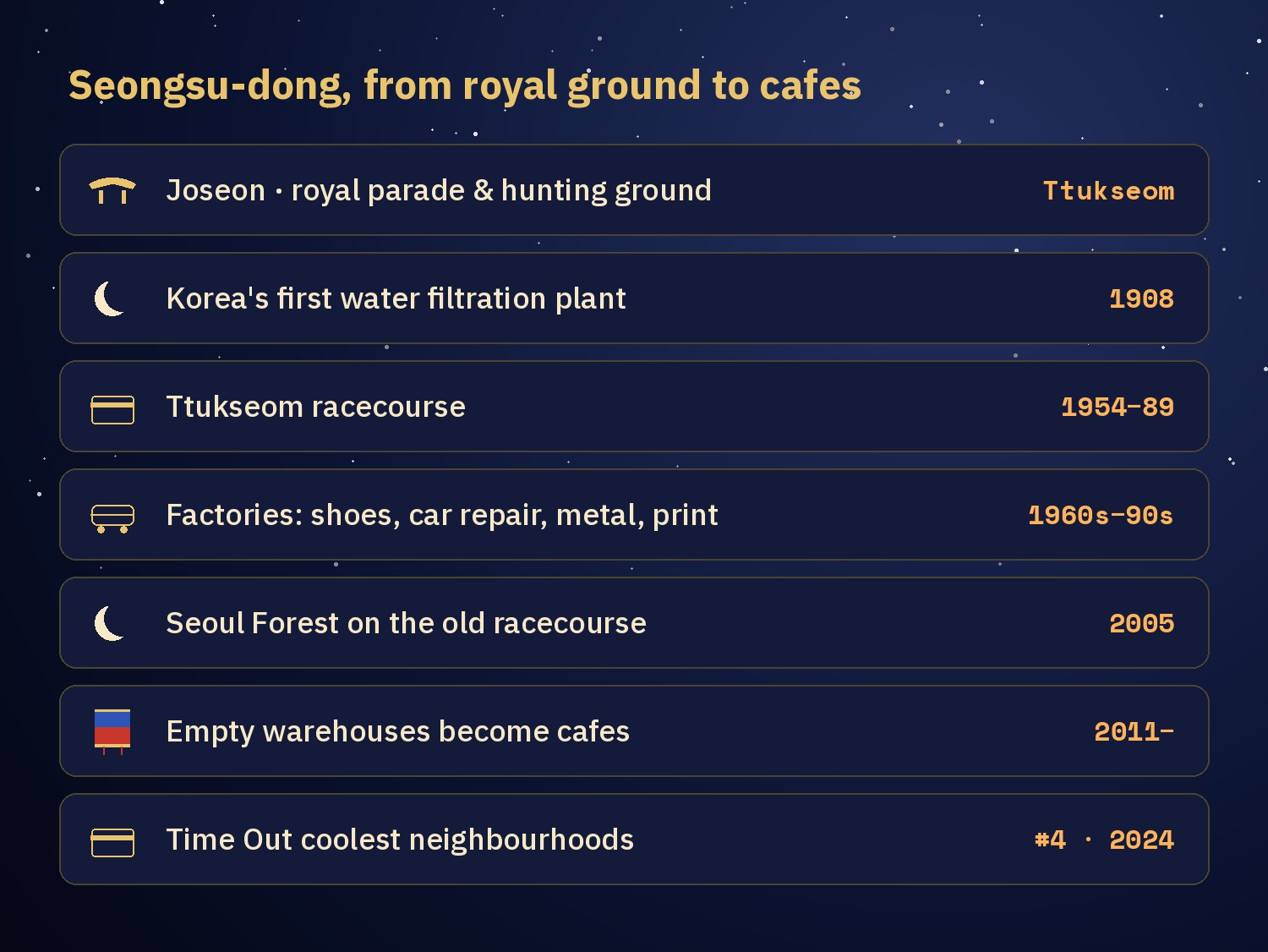
Flat riverside land called Ttukseom (뚝섬). In the Joseon era it was a royal hunting and parade ground with a horse pasture. One account says the name comes from the great army flag (纛旗) raised there when troops marched out.
In 1908 Korea's first water filtration plant opened here and began supplying tap water that September. The old filtration building is now a water museum (수도박물관), and the plant next to it still runs. From the 1930s the riverside was a pleasure resort, reached by a light railway from the city. On May 8, 1954, the Korea Racing Authority opened its Seoul racecourse at Ttukseom. It moved to Gwacheon in 1989.
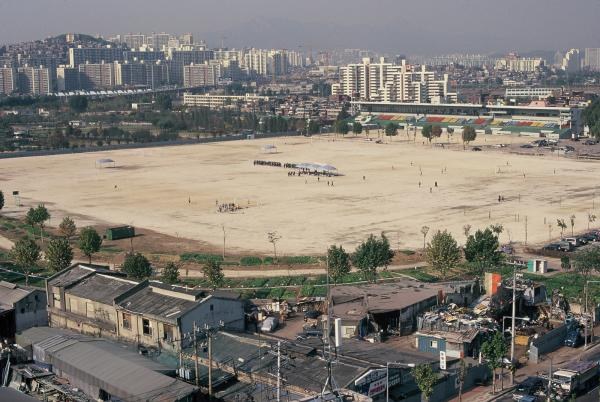
When did Seongsu become a factory town?
From the late 1950s into the 1960s, factories from central Seoul moved to Seongsu and Ttukseom, where there was still open land. A land readjustment project in 1966 laid out the grid of small blocks you walk through today.
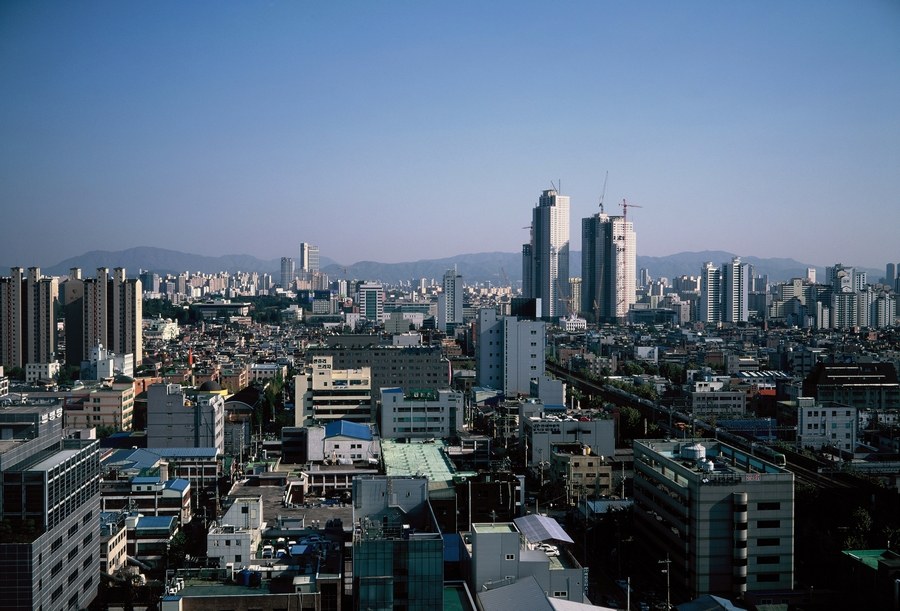
Through the 1960s and 70s, shoe and printing factories and machine shops filled the area. Seongsu 2-ga became a cluster of small printing, machinery and textile firms. This is the Seongsu I remember.
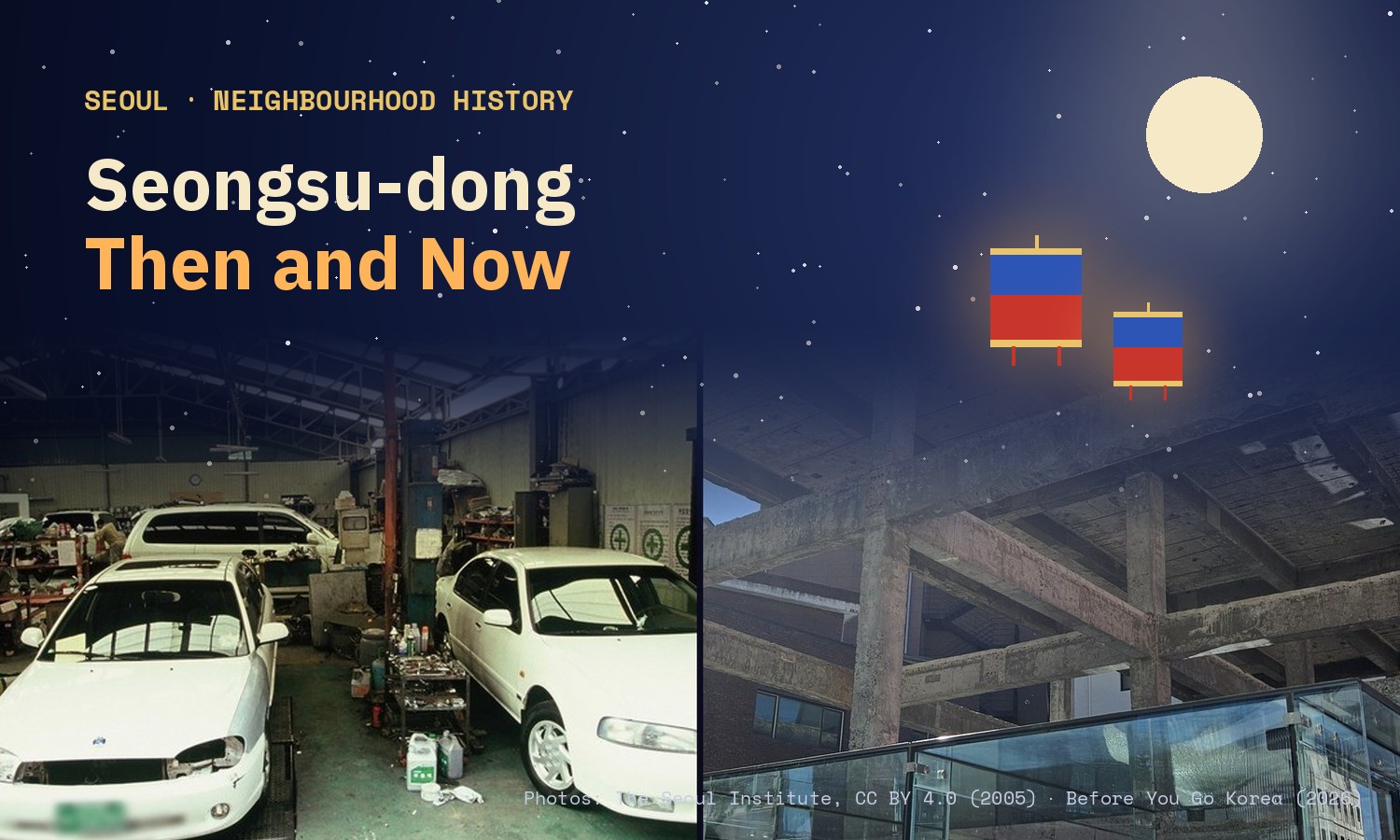
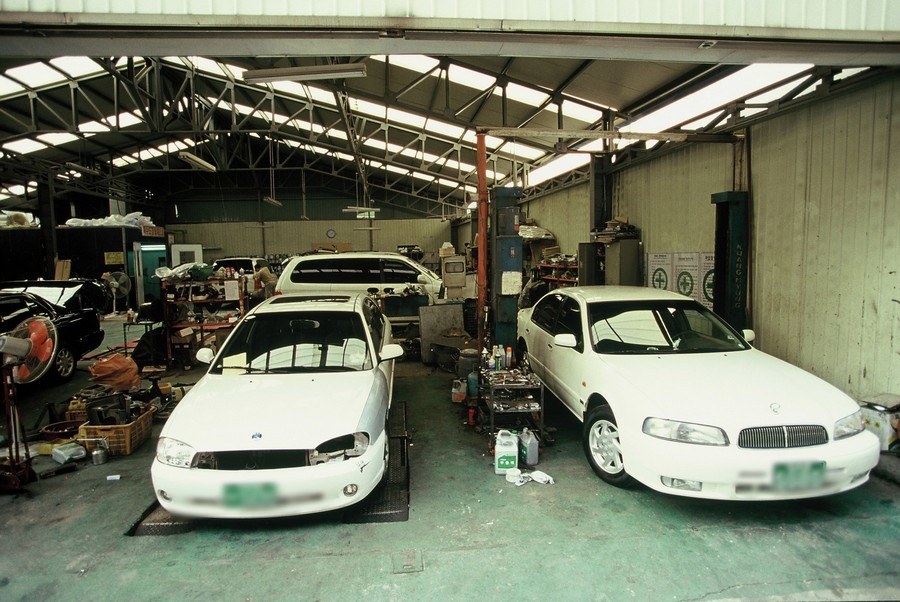
Car repair shops were part of it too. The Seoul Institute photographed them in 2005 as part of its record of the industrial area: big open garages, cars with their hoods up, mechanics working on the floor.
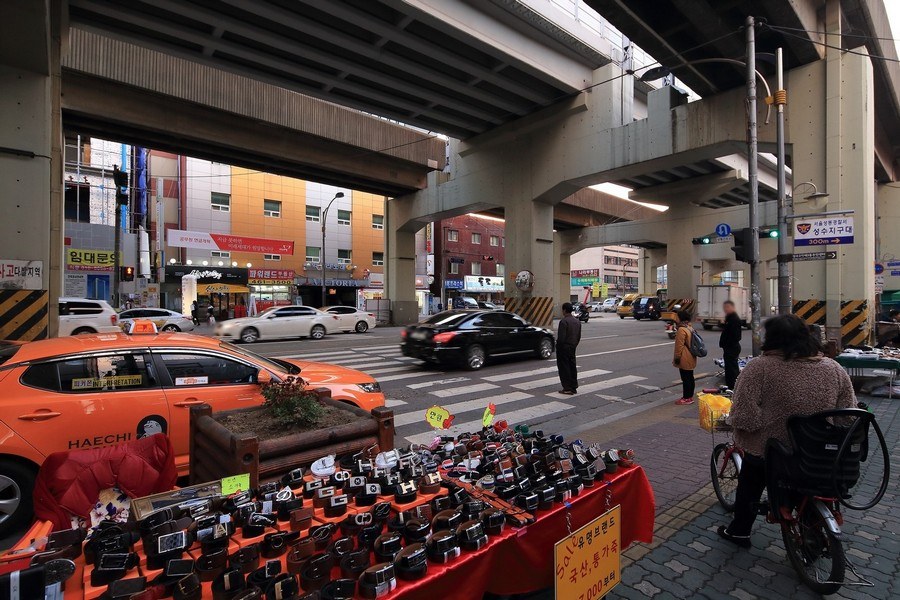
Why is Seongsu known for handmade shoes?
Seoul's handmade shoe trade moved twice. After liberation in 1945 it started at Yeomcheon-gyo (염천교), near Seoul Station. In the 1970s and 80s, Myeongdong's "salon shoes" were at their peak. Then makers moved to Seongsu: land was cheaper, Kumkang Shoes had its head office here, big shoe companies had factories nearby in Seongnam, and materials and skilled workers were easy to find.
The move began in the 1970s and picked up after the 1997 financial crisis. Seoul's own figures put the number of shoemakers at roughly 300 to 400 in the late 2010s, with hundreds more firms supplying parts.
How did the racecourse become Seoul Forest?
After the races left in 1989, much of Ttukseom stood empty. A public golf course ran on part of it from 1968 until March 31, 2004. Seoul Forest opened on the racecourse and golf course land on June 18, 2005.
Around the same time, factories were leaving for industrial complexes outside Seoul, such as Banwol and Sihwa. They left behind red-brick buildings and warehouses with slate roofs.
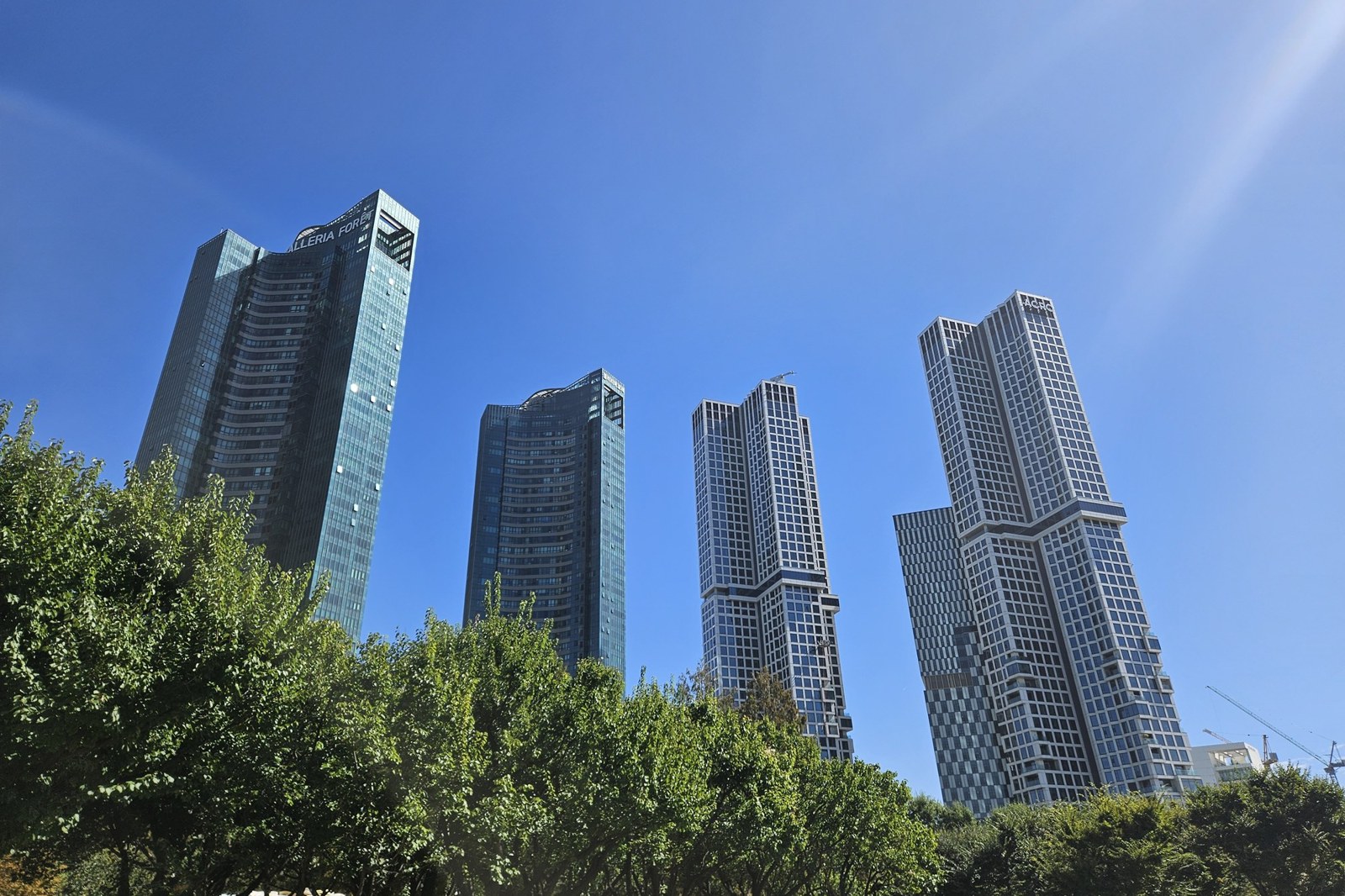
How did old warehouses become cafés?
In 2010 Seoul designated Seongsu a development zone for IT and distribution businesses. The first reuse of an old factory or warehouse came around 2011, and the idea spread: keep the outside, change what happens inside.
Daelim Warehouse (대림창고) is the best-known example. It was a rice mill in the early 1970s, then storage for factory materials in the 1990s. From 2011 it hosted fashion shows and events, and in 2016 it opened as a gallery café.
Rents rose fast. On September 24, 2015, Seongdong became the first district in Korea to pass an ordinance against gentrification, with agreements between building owners and tenants. On May 3, 2019, Blue Bottle opened its first Korean café in Seongsu, and people queued from before dawn.
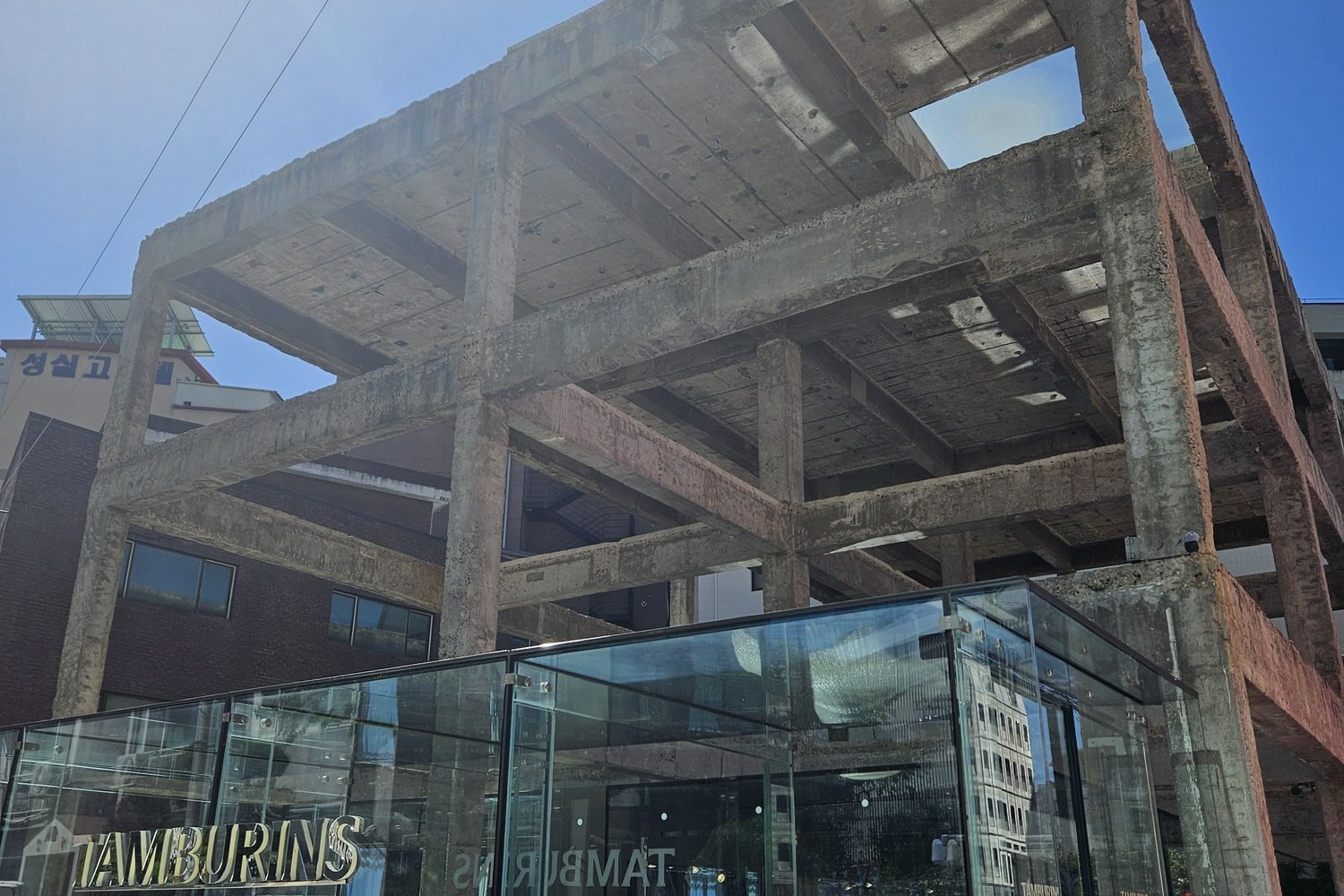
How popular is Seongsu with visitors now?
In September 2024, Time Out named Seongsu the 4th coolest neighbourhood in the world. Korea's national visitor survey shows the rise too. Asked for the best place of their whole trip, 2.5% of foreign visitors named Seongsu in 2024, 5.0% in 2025 and 9.6% in April to June 2026 (provisional). In Seoul's own 2025 survey, 29.3% of foreign visitors went to Seoul Forest and Seongsu.
I wrote about those surveys in where foreigners actually go in Korea.
Where can you still see Seongsu's history?
- Seoul Forest (서울숲): the old racecourse and golf course. Seoul Forest Station on the Suin-Bundang Line.
- The water museum (수도박물관): the 1908 filtration building, beside Seoul Forest.
- Seongsu Station (성수역), Line 2: the handmade shoe street runs along the elevated tracks.
- Daelim Warehouse (대림창고): the rice mill turned warehouse turned gallery café.
- The side streets: look for workshops and car businesses still working between the cafés.
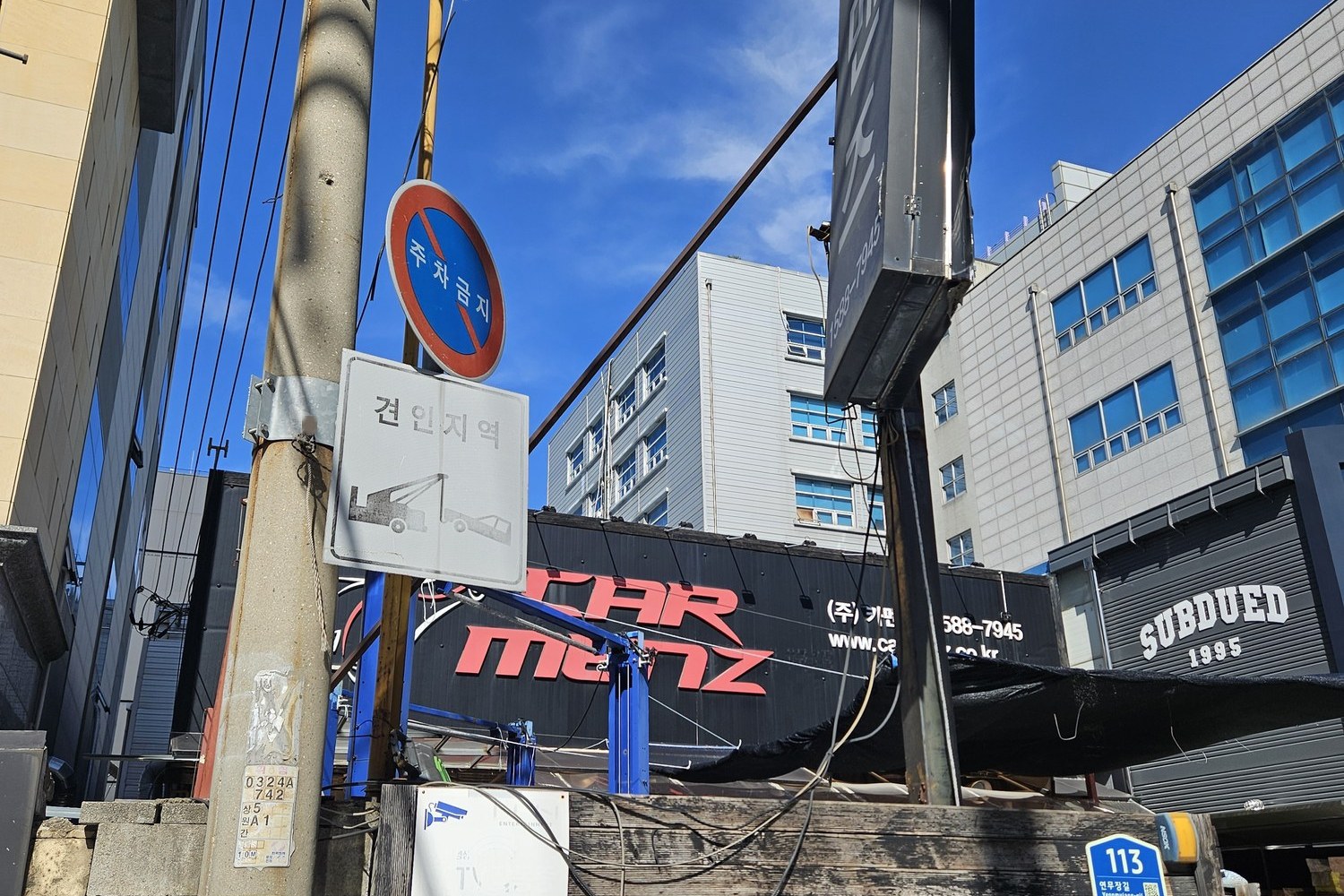
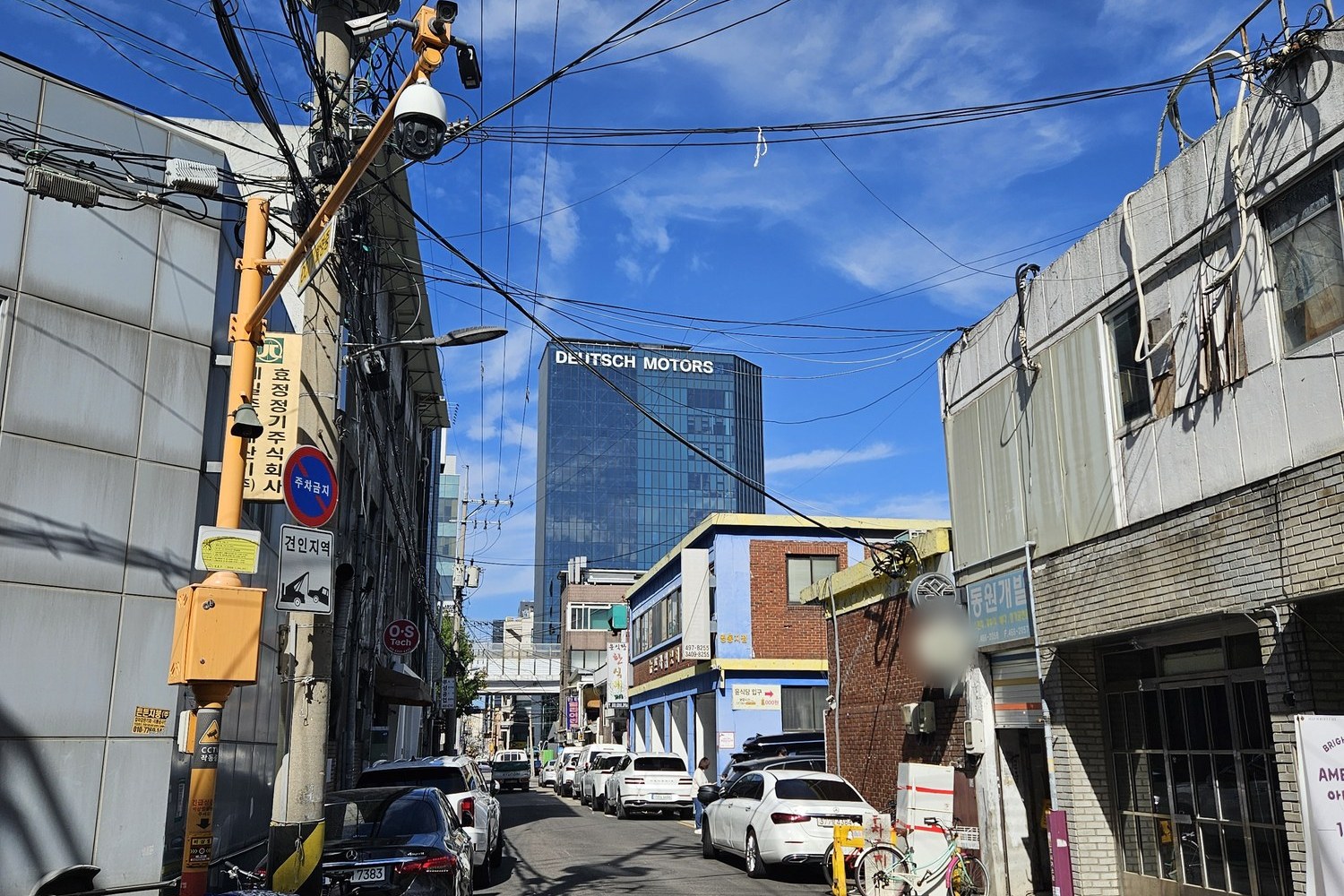
FAQ
What was Seongsu-dong before it became trendy?
A factory district. From the 1960s it was packed with small shoe, car repair, metal and printing businesses. Before that it was a Joseon royal ground, the site of Korea's first water filtration plant (1908) and a racecourse (1954 to 1989).
Why is Seongsu famous for shoes?
Handmade shoemakers moved there from Myeongdong from the 1970s, drawn by cheaper land and nearby shoe companies. In the late 2010s Seoul counted roughly 300 to 400 shoemakers there.
When did Seongsu become popular?
Old factories and warehouses started becoming cafés and shops around 2011. Blue Bottle's first Korean café opened there in 2019, and Time Out ranked it 4th in the world in 2024.
Was Seoul Forest a racecourse?
Yes. The Ttukseom racecourse ran from 1954 to 1989, and a golf course until 2004. Seoul Forest opened on that land in 2005.
The question to watch now is whether the workshops that are left can stay as the rents climb. Next, I'll take you through Seongsu as it is today, walked on October 1, 2026: what to do in Seongsu-dong, a walk from Seoul Forest.
More ways to explore Seoul
Sources
- Encyclopedia of Korean Culture (한국민족문화대백과사전): Ttukseom, Seongsu-dong, Ttukdo filtration plant
- Seoul Metropolitan Government, Seoul Sarang (May 2016) and Seoul at Hand (내 손안에 서울, Nov 19, 2018): factories and handmade shoes
- Seoul National University thesis on the urban fabric of the Seongsu semi-industrial area: 1966 land readjustment, warehouse reuse from 2011
- Seoul Shinmun, Dec 25, 2015: Seongdong anti-gentrification ordinance · Seoul Shinmun, May 3, 2019: Blue Bottle Seongsu
- Time Out, The coolest neighbourhoods in the world (2024)
- Korea Tourism Organization: Daelim Warehouse
- MCST and KCTI, International Visitor Survey (2024, 2025, 2026 Q2 provisional) · Seoul Tourism Organization, Seoul Tourism Survey 2025
- Old photos: The Seoul Institute, Seoul in Photographs (data.si.re.kr), CC BY 4.0
— SeoulAslan


Comments
Post a Comment